Healing & Well-Being
12 Ways to Improve Your Sleep
What is Sleep Hygiene? Strong sleep hygiene means having both a bedroom environment and daily routines that promote consistent, uninterrupted sleep.
By PRAY.COM Editorial Team · Published · Updated · 4 min read
Share this
Key takeaways
- Strong sleep hygiene means having both a bedroom environment and daily routines that promote consistent, uninterrupted sleep.
- Sleep hygiene can potentially improve your ability to fall and stay asleep.
- Each individual is unique, so we all have different needs, but this guide will give you a place to start.
- Here are 5 easy ways to unwind before bedtime tonight, perfectly complemented with reading Pray.com's book, Sleep Psalms.
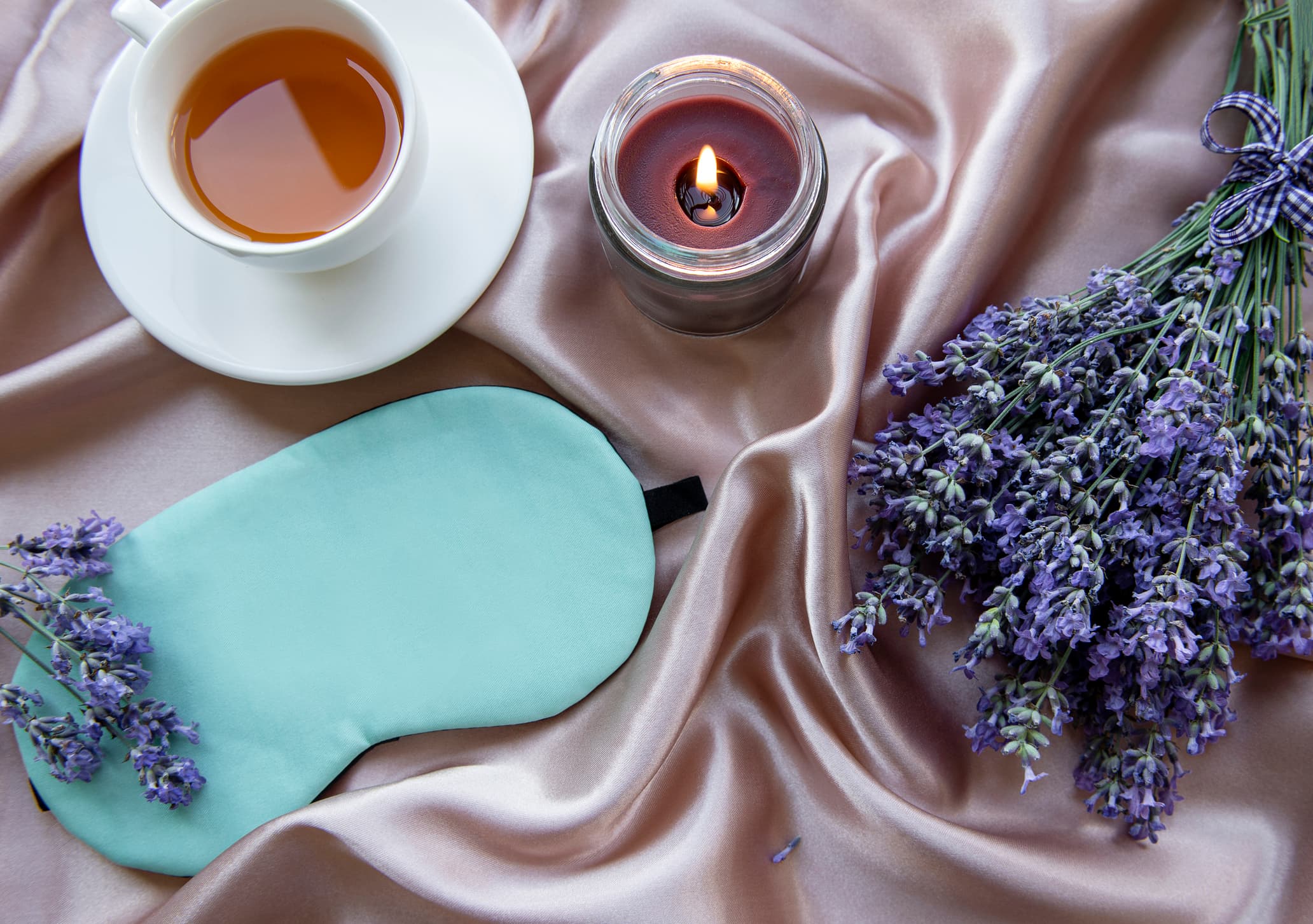
What is Sleep Hygiene?
Strong sleep hygiene means having both a bedroom environment and daily routines that promote consistent, uninterrupted sleep.
Practicing good sleep hygiene goes beyond buying a comfortable mattress.
Think of it as your sleeping habits.
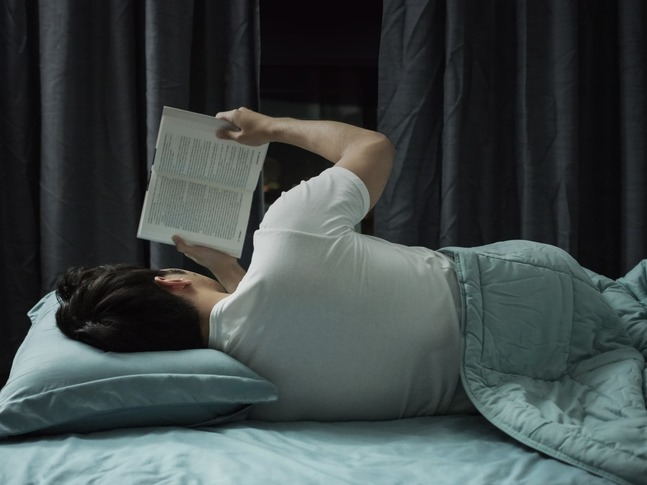
Why it matters?
Sleep hygiene can potentially improve your ability to fall and stay asleep.
It makes it easier for you to sleep soundly throughout the night and wake up well-rested.
Some of the key benefits of good Sleep Hygiene
- Improved mood
- Decreased stress
- Sharper memory & brain function
- Increased daytime energy level
- Enhanced immune system function
- Better blood sugar regulation
- Enhanced muscle repair
How much sleep do you actually need?
Each individual is unique, so we all have different needs, but this guide will give you a place to start.
- Infant (4-12 months old): 12-16 hours
- Toddler (1-2 years old): 11-14 hours
- Preschool (3-5 years old): 10-13 hours
- School-age (6-12 years old): 9-12 hours
- Teen (13-18 years old): 8-10 hours
- Adult (18-64 years old): 7-9 hours
- Older Adult (65+ years old): 7-8 hours

12 ways to improve your sleep hygiene
- Soak up the morning sun - Expose yourself to natural light. Spending time in the morning sun can reset your circadian rhythm and tell your brain it’s time to start the day.
- Practice regular exercise - Exercise can help you fall asleep faster and stay asleep longer. Aim for at least 30 minutes of moderate exercise most days of the week.
- Limit daytime naps - Sleeping during the day can confuse your body’s natural clock and make it harder to fall asleep at night. If you must nap, limit it to 20-30 minutes.
- Avoid stimulants before bed - Stimulants like caffeine, nicotine, and alcohol can keep you awake and disrupt your sleep. Try to avoid them before bed.
- Create a sleep-friendly environment - Ensure your bedroom is cool, dark, and quiet. Invest in comfortable bedding and a supportive mattress and pillow.
- Keep a regular sleep schedule - Go to bed and wake up at the same time every day, even on weekends. This helps regulate your body’s natural clock.
- Unplug an hour before bed - Turn off electronic devices like phones and TVs an hour before bed to help your brain unwind and prepare for sleep.
- Reserve the bedroom for sleep and intimacy - Avoid working or watching TV in bed. This helps your brain associate your bedroom with sleep and can improve the quality of your rest.
- Minimize noise - Use earplugs or a white noise machine to block out excess noise that can disrupt sleep.
- Resist the midnight munchies - Eating late at night can interfere with your sleep. Try to avoid eating for at least three hours before bed.
- Think happy thoughts - Focus on positive thoughts and experiences before bed. This can help you relax and promote better sleep.
- Don’t force sleep (read a book instead) - If you’re not sleepy, don’t force it. Do something relaxing like reading a book until you feel sleepy.

Here are 5 easy ways to unwind before bedtime tonight, perfectly complemented with reading Pray.com's book, Sleep Psalms. Embrace relaxation and prepare for a peaceful sleep with these simple techniques.
- Aromatherapy: Try essential oils such as lavender or valerian using a diffuser or spray bottle or breathing them in directly from the bottle.
- Reduce phone usage: Electronic display screens emit blue light, interfering with your body’s natural sleep cycle.
- Practice deep breathing exercises: Deep breathing exercises can help to calm your mind and relax your body, making it easier to drift off to sleep.
- Listen to music or a Bible meditation: Listening to calming music or a guided sleep meditation can help to reduce stress and lower your heart rate.
- Sip on a cup of herbal tea: Chamomile tea, in particular, has relaxing properties that may help you fall asleep faster.
Get your restful, restorative night’s sleep with Sleep Psalms: Nightly Moments of Mindfulness and Rest.
Quick answers
- What is Sleep Hygiene?
- Strong sleep hygiene means having both a bedroom environment and daily routines that promote consistent, uninterrupted sleep. Practicing good sleep hygiene goes beyond buying a comfortable mattress. Think of it as your sleeping habits.
- Why it matters?
- Sleep hygiene can potentially improve your ability to fall and stay asleep. It makes it easier for you to sleep soundly throughout the night and wake up well-rested. Some of the key benefits of good Sleep Hygiene
- How much sleep do you actually need?
- Each individual is unique, so we all have different needs, but this guide will give you a place to start.
References
- Sleep Psalmsamazon.com
Topics
Keep reading
- 5 Powerful Night Prayers For Protection and Better SleepThose of us who lead busy lives often find that when the day is over, we're exhausted. Because of this fatigue, it can be hard for us to remember our nightly prayers .Healing & Well-Being · 6 min read
- Good Sleep Hygiene: Definition and Tips To Improve Your SleepYou’ve probably been there. Darkness is all around, everything is calm, and you can hear the sound of crickets outside. The problem is that it’s the middle of the night, and you can’t fall asleep.Healing & Well-Being · 8 min read
- Sleep Better: A Guide to Meditation Before BedCurrently, 2,500 apps exist to provide you with guided meditations at bedtime. The apps are for those chasing tranquility before bed.Healing & Well-Being · 5 min read
- An Interview with Kel MitchellWe’re excited to have Kel Mitchell be part of the PRAY community! Kel is a two-time Emmy Award-nominated actor, producer, comedian, & youth pastor. You may know him from Nickelodeon’s award-winning shows, “All That” and “Kenan & Kel.” Kel made this content with us because PRAY helped him make prayer part of every day. It keeps him in communion with his heavenly Father. Here’s a video and a Q&A session where he shares more about his faith and his Bedtime Bible Story about Jesus’ Sermon on the Mount.Faith & Wisdom · 7 min read
- Kids Bedtime Tips for Christian ParentsNew parents may find implementing bedtimes a difficult challenge. For children who are used to going to sleep whenever they want, transitioning to a set bedtime can be very difficult.Love & Relationships · 12 min read
- Weekly Wisdom: Rest in HimScripture “Blessed is the one who does not walk in step with the wicked or stand in the way that sinners take or sit in the company of mockers, but whose delight is in the law of…Weekly Wisdom Devotionals · 2 min read
- Weekly Wisdom: You are BlessedScripture “Blessed are the poor in spirit: for theirs is the kingdom of heaven. Blessed are they that mourn: for they shall be comforted. Blessed are the meek: for they shall inherit the earth.Weekly Wisdom Devotionals · 2 min read
- 21 Bible Verses for Depression: Find Peace and Hope for 2025Life can feel heavy. Even when we have faith, seasons of sadness and despair can leave us searching for meaning and light. But God’s Word has never changed — and His promises are still powerful today.Healing & Well-Being · 8 min read
- 17 Quotes and Bible Verses to Calm Down When Feeling AngerLearn about 17 Bible verses for anger with Pray.comHealing & Well-Being · 8 min read
- 27 Meditation Quotes To Help You Overcome StressThere's no doubt that the regular practice of mindfulness and meditation is good for your health and overall well-being.Healing & Well-Being · 8 min read