
Faith & Wisdom
Good Friday: Meaning and Bible Verses About The Crucifixion of Jesus
Christians consider Good Friday and the Biblical events surrounding it as some of the most important moments in all creation.

PRAY.COM
Published · Updated · 12 min read
Share this
Key takeaways
- Good Friday refers to the Christian tradition of commemorating Jesus Christ’s crucifixion, as well as the events leading up to it, which are known as ‘The Stations of the Cross.
- Knowing one of his own would betray him, Jesus offered bread and wine to his disciples.
- Jesus was captured by Roman officers and taken to Pontius Pilate, who found no basis for Jesus’s wrongdoing.
- Jesus was taken down from the cross, wrapped in linen, and sealed in a tomb covered by a large rock.
- How you commemorate the death and resurrection of Jesus depends largely on your particular denomination.

New prayers every day, read aloud so you can pray along.
- Morning
- Pray Daily
- Midday
- Pray Midday
- Night
- Pray Nightly
Free, and millions of people already pray with Pray.com.
Christians consider Good Friday and the Biblical events surrounding it as some of the most important moments in all creation.
Good Friday commemorates our Lord and Savior’s ultimate sacrifice on the cross, as well as his burial and eventual resurrection on the third day.
Christ’s resurrection is a testament to the truth of God’s promises and serves to solidify our faith in the Father and the trinity.
Advertisement
What were those events, according to the Bible verses where they originated, and how do we celebrate Good Friday? And most importantly — why do we call it “good” in the first place?
We’re turning to the scripture to uncover everything you need to know about Good Friday.
Good Friday Bible Verses
Good Friday refers to the Christian tradition of commemorating Jesus Christ’s crucifixion, as well as the events leading up to it, which are known as ‘The Stations of the Cross.’ These events are detailed in the gospel of Luke in the New Testament.
Beginning shortly before Passover, the chapter details the three days spanning the Last Supper and Jesus Christ’s betrayal, capture, trial, and crucifixion.
Let’s look at these key moments of the Holy Week in more detail.
The Last Supper
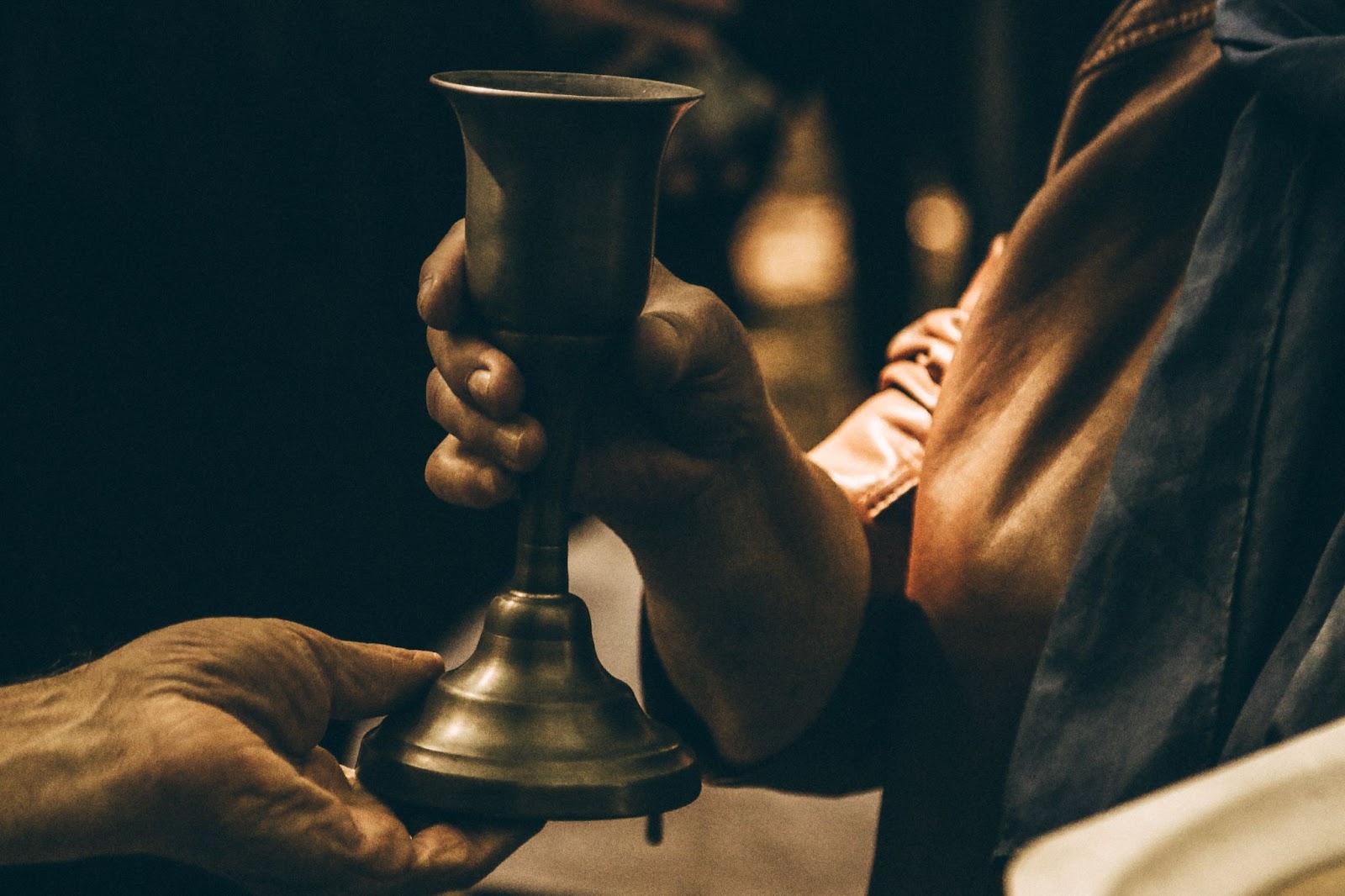
Knowing one of his own would betray him, Jesus offered bread and wine to his disciples. This is where the Catholic tradition of the Divine Liturgy, consuming the sacraments of bread and wine, originates.
Advertisement
“Jesus took bread, gave thanks and broke it, and gave it to them, saying, ‘This is my body given for you; do this in remembrance of me.’ In the same way, after the supper he took the cup, saying, ‘This cup is the new covenant in my blood, which is poured out for you. But the hand of him who is going to betray me is with mine on the table’” (Luke 22:19-21).
Jesus’s Arrest and Trial
Jesus was captured by Roman officers and taken to Pontius Pilate, who found no basis for Jesus’s wrongdoing. However, the crowd didn’t agree, screaming for his crucifixion. Pilate relented.
“And Pilate pronounced sentence that their demand be granted. He delivered Jesus to their will” (Luke 23:24).
Crucifixion of Jesus
They made Christ carry his own crucifix to his crucifixion site and raised him between two criminals. Jesus pleaded with the Father to forgive all involved and cried out to God with his last words before dying on the cross.
“When they came to the place called the Skull, they crucified him there, along with the criminals—one on his right, the other on his left. Jesus said, ‘Father, forgive them, for they do not know what they are doing’” (Luke 22:33–34).
Jesus’s Burial and Resurrection
Jesus was taken down from the cross, wrapped in linen, and sealed in a tomb covered by a large rock. It was Preparation Day, as the Sabbath was about to begin.
However, when some of Jesus’s followers came to the tomb, they noticed the rock had rolled away from the entrance, and Jesus was nowhere to be found.
“He is not here; he has risen! Remember how he told you, while he was still with you in Galilee: ‘The Son of Man must be delivered over to the hands of sinners, be crucified and on the third day be raised again’” (Luke 24:6-7).
Good Friday meaning
So, if Good Friday relates to the suffering and death of Jesus Christ, why do we call it ‘good’?
Advertisement
The meaning of this phrase comes from an older sense of the English word 'good,' meaning pious or holy. Another example of this is the expression ‘the good book,’ which references the Bible.
So, the word ‘good’ signifies Good Friday as being holy.
Other countries of the world have different names for the date, including Sorrowful Friday, Holy Friday, and God's Friday. Members of the Catholic Church refer to the entire week as the ‘Holy Week,’ which commences on Palm Sunday, and they call the Friday ‘Great Friday.’
But beyond the linguistic explanation, we also think of the events of Good Friday as ‘good’ because they signified the culmination of God’s plan and the beginning of Christianity as we know it today.
Good Friday Traditions
How you commemorate the death and resurrection of Jesus depends largely on your particular denomination.
The most commonly observed commemoration traditions include:
- A public holiday: Most countries of the world take the Friday before Easter Sunday off work as a holy day.
- Black Fast: Orthodox Catholics and Byzantine Christians practice a day of fasting on Good Friday.
- Church service: A special Good Friday service is conducted by Anglican, Roman Catholic, and other denominations, including scripture readings and hymns.
- Lent: This is a practice of prayer, fasting, and almsgiving, as well as avoidance of meat beginning on Ash Wednesday, usually lasting six weeks and concluding on Maundy Thursday (or ‘Holy Thursday’).
- Special foods: Hot cross buns, sweet bread rolls with a cross pattern, are usually eaten on Good Friday in Britain, Canada, Australia, and New Zealand. Eating Semla, a similar treat, is a similar German and Swedish tradition.

Celebrating the Son of God
Good Friday marks one of the most crucial events in all Christianity.
We see Jesus taken to the cross and adorned with a crown of thorns for our sins. He does so with humility and grace so that we can be saved.
Today, we celebrate Good Friday to commemorate his sacrifice and spend a few solemn moments in quiet gratitude for Jesus Christ and all that he has done for us.
It is because of his sacrifice that we will have eternal life, which is the greatest gift of all.
To always stay connected to God’s word and the power of the Holy Spirit, download the Pray.com app in the iOS App Store or on Google Play.
Advertisement
Hear the Bible read aloud and follow series from pastors like Jack Graham.
Create a free accountFree to use. Going ad-free is optional.
Keep reading
 What Was the Star of Bethlehem?Faith & Wisdom · 5 min read
 New Year Bible Verses for 2027Faith & Wisdom · 5 min read
 Christmas Bible Verses About the Birth of JesusFaith & Wisdom · 6 min read
- Psalm 91 Meaning: The Psalm of ProtectionFaith & Wisdom · 5 min read
- Tim Ross on Getting Canceled, Vulnerability and Being AnointedFaith & Wisdom · 9 min read
- AI and the Planet: What Two Pastors Say About the Water RumorFaith & Wisdom · 8 min read
- Fatherhood Beyond Being Home: Two Pastors on Presence and RepairFaith & Wisdom · 8 min read
- Stop Starting Over: Why Consistency and Multiplying Leaders MatterFaith & Wisdom · 8 min read
- Why People Don't Know What to Believe: Chris Palmer on NihilismFaith & Wisdom · 8 min read
- How to Define Success When Your Season Looks DifferentFaith & Wisdom · 8 min read